


The rapid evolution of Artificial Intelligence (AI) and Machine Learning (ML) is set to unlock transformative advancements across critical sectors over the next 10 years. These developments will redefine human-AI collaboration, improve global health, and combat major societal challenges.
Here are the five key AI advancements to expect:
1. AI in Personalised Healthcare
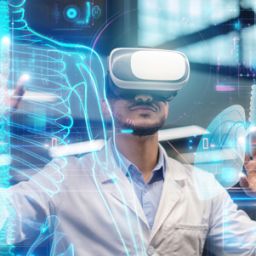
AI-driven predictive analytics will move to the centrestage of healthcare. By analysing individual patient data—including genetic information, medical history, and lifestyle—AI will tailor treatments, improving efficacy and minimising side effects. This shift will enable earlier disease diagnosis, more accurate patient outcome predictions, and increased accessibility to care via enhanced telemedicine and wearable health monitors.
2. AI in Cybersecurity
The battle against cyber threats will increasingly rely on AI. AI security systems will learn from previous attacks to refine their defence mechanisms and anticipate new strategies. This evolving technology will automate incident response, isolate compromised systems, and contain threats, significantly reducing the burden on human security teams and protecting critical infrastructure.
3. Better Virtual Assistants
Digital assistants like Siri and Google Assistant are poised for a major leap. In the coming decade, these AI-driven tools will gain significantly enhanced ability to understand context and perform a wider, more complex range of tasks with greater ease and efficiency. They will move beyond simple command execution to function as truly intelligent companions.
4. Addressing the Climate Crisis with AI
AI is becoming a critical tool in the fight against climate change. Machine learning models will process vast amounts of environmental data to provide insights into climate patterns and extreme weather events, aiding in the development of more effective mitigation and adaptation strategies. AI will also optimise energy production and consumption through smart grids and contribute to sustainable agriculture practices.
5. AI in Personalized Education
AI will revolutionise education by providing intelligent tutoring systems and adaptive learning platforms. These tools will offer real-time feedback and tailor instruction to each student's specific needs, creating customised curricula that adjust as they progress. By automating grading and assessment, AI will reduce the administrative burden on educators, allowing them to focus more time on teaching and targeted interventions.
Original article sourced from The Fuse Pathway